


WASTE MANAGEMENT PROGRAM
1. Introduction
The Kachua Dalima Association (KDA) recognizes that effective waste management is essential for ensuring environmental health and sustainability in Bauphal Upazila and surrounding areas. Waste accumulation leads to water pollution, vector-borne diseases, and degraded living conditions. Our initiative aims to implement an integrated and community-based Waste Management System (WMS) tailored to the local context.
2. Objective
To establish a structured and sustainable waste collection, segregation, and disposal system.
- To raise community awareness on proper waste disposal and reduction.
- To promote recycling, composting, and reuse at household and institutional levels.
- To reduce environmental pollution and health hazards caused by unmanaged waste.
3. Key Components of the KDA Waste Management System
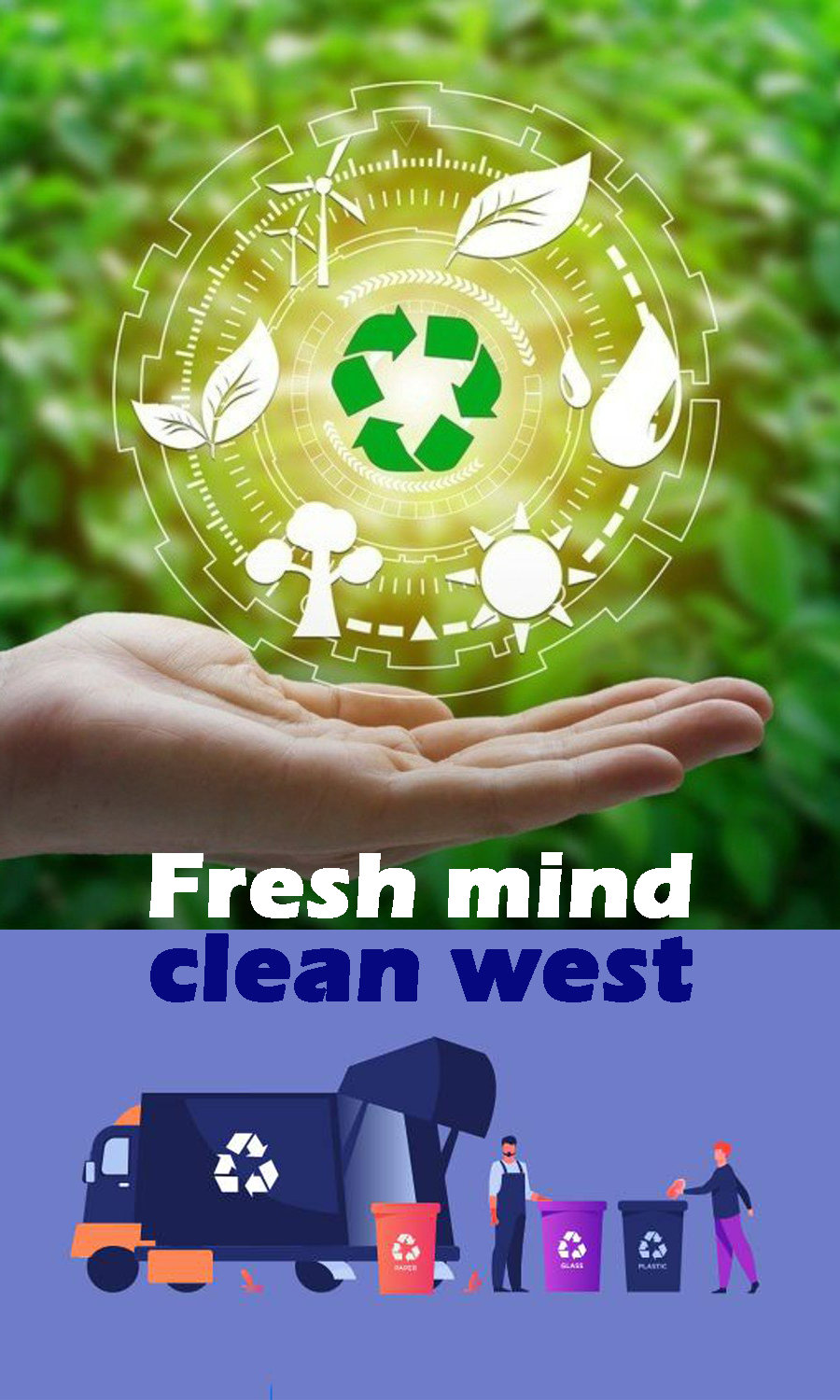
a) Waste Collection
- Household waste collected door-to-door by trained waste workers.
- Separate bins for biodegradable and non-biodegradable waste.
b) Segregation at Source
- Awareness campaigns to encourage segregation.
- Households provided with color-coded bins.
c) Recycling & Composting
- Non-biodegradable waste sorted and sent to recycling centers.
- Biodegradable waste processed in community compost pits or biogas plants.
d) Disposal and Landfill Management
- Non-recyclable and hazardous waste disposed of in scientifically managed mini-landfill sites.
- Periodic monitoring of landfill sites to prevent environmental contamination.
e) Community Engagement and Education
- School programs, community meetings, and media outreach on waste reduction.
- Formation of “Green Volunteers” groups from youth and women.
f) Capacity Building and Training
- Training programs for waste workers on safety and hygiene.
- Technical training for local government and KDA staff on sustainable waste management practices.
4. Expected Outcomes
80% reduction in open dumping and littering.
- Increased recycling rates in the Kachua region.
- Improved health and sanitation conditions.
- Empowerment of women and youth in environmental leadership.
5. Partners and Stakeholders
Local Union Parishads · Department of Environment (DoE)
- NGOs & CBOs working on environmental issues
- Schools and religious institutions
6. Monitoring & Evaluation
KDA will deploy a monthly monitoring team to assess:
- Collection efficiency
- Community compliance with segregation
- Reduction in waste volume at disposal sites
- Feedback mechanisms for improvement
7. Budget & Sustainability
A cost-sharing model will be adopted involving local government and donor partners. Long-term sustainability will be ensured through:
- User fee collection for waste services
- Sale of compost and recyclable materials
- Local entrepreneurship in waste upcycling
to download KDA_Waste_Management_Concept_Note for URBAN AREA
to download KDA_Waste_Management_Concept_Note for costal AREA