
EDUCATION PROGRAM
Overview:
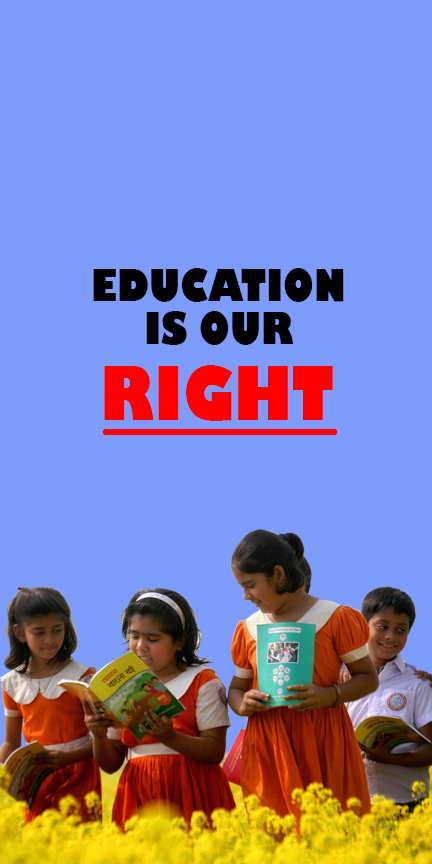
The Education Program of Kachua Dalima Association (KDA) is designed to address the critical challenges of illiteracy, school dropout, and limited access to quality education in rural, disaster-affected, and underserved regions of Bangladesh. The program focuses on both formal and non-formal education for children, adolescents, and youth with a special emphasis on girls’ education and skills development.
Objectives:
- To ensure access to quality basic education for all children, especially from poor and vulnerable families.
- To reduce dropout rates and improve school retention through community-based interventions.
- To promote gender equity in education by empowering girls and young women.
- To provide life skills and vocational training to youth for employability.
- To support digital literacy and inclusive learning environments.
Key Components:
1. Non-Formal Primary Education (NFPE):
- Community-based learning centers for out-of-school children aged 6–14.
- Flexible class timings to accommodate working children.
- Basic literacy, numeracy, and life-skills education.
2. Support for Formal Education:
- Distribution of school bags, books, and stationery to needy students.
- Tuition support and scholarships for meritorious and disadvantaged children.
- Organizing parent-teacher meetings and school awareness drives.
3. Girls’ Education Promotion:
- Awareness campaigns on early marriage and girls' education rights.
- Bicycle distribution for girls in remote areas.
- Special mentorship and health education for adolescent girls.
4. Youth and Skills Development:
- Vocational and technical training for youth (e.g., tailoring, computer, mobile repair).
- Career counseling and entrepreneurship workshops.
- Linkages with local job markets and micro-enterprise opportunities.
5. Teacher Training & Capacity Building:
- Orientation and training for community teachers.
- Development of child-friendly teaching materials.
- Monitoring and evaluation support to local schools.
6. Digital Learning & Innovation:
- Setting up digital classrooms in remote schools.
- Providing computer literacy training to students and teachers.
- Promoting e-learning through tablets and mobile platforms.
7. Disable Education
- Special education programs tailored to individual needs
- Awareness campaigns to reduce stigma and promote disability inclusion
- Training for teachers and caregivers in inclusive teaching methods
- Providing assistive technologies and learning aids
Target Areas:
Bhola, Jamalpur, Sirajganj, Noakhali, Khulna, Cox’s Bazar, Bandarban, Feni, Kurigram, Satkhira, Sylhet, and other rural/char/hilly regions.
Expected Outcomes:
•
- Increased enrollment and retention of children in primary schools.
- Reduced gender disparity in education.
- Improved literacy and employability among youth.
- Strengthened community participation in education development.
Call for Support:
KDA seeks collaboration with government agencies, development partners, donors, and NGOs to expand the education program and achieve SDG 4: "Quality Education for All."
to download KDA_education program_Concept_Note
SOME OF OUR EDUCATION PROGRAM
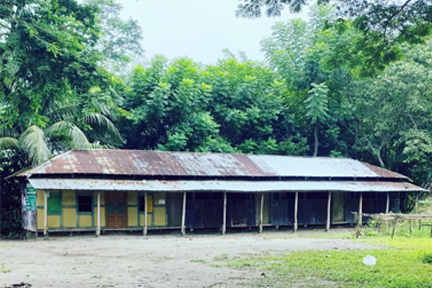
1. Non-Formal Primary Education (NFPE):
Aims to provide education to school dropouts and out-of-school children from poor families.
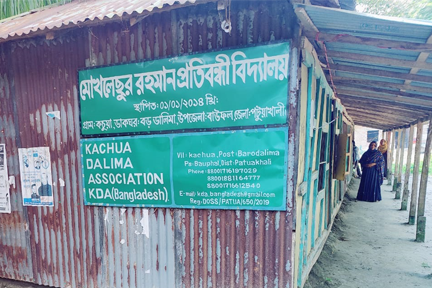
2. Education for Disabled Children:
KDA manages Moklesur Rahaman Protibondi Bidyalaya (Disable School)
to ensure access to education for children with disabilities.
to ensure access to education for children with disabilities.
3. Religious Education:
KDA runs the following institutions:
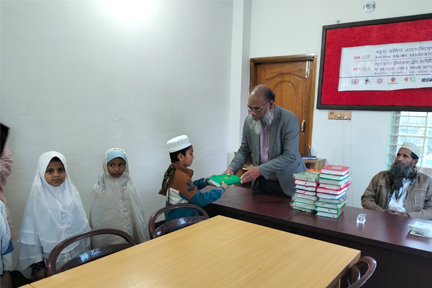
Moklesur Rahaman Islamic Institute (Madrasa).
Monowra Bhanu Orphanage for underprivileged children.
Moklesur Rahaman Islamic Institute (Madrasa).
Monowra Bhanu Orphanage for underprivileged children.
4. Technical Education:
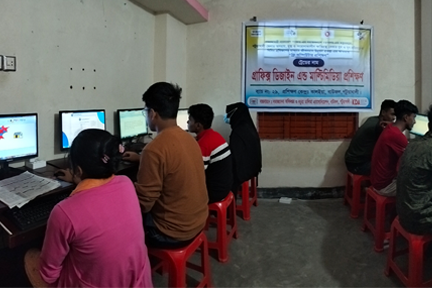
KDA manages Kachua Dalima Technical Training Institute
To develop oneself for self-employment.
To develop oneself for self-employment.